28.7%
Weight Loss
Phase 3, 68 weeks
β οΈ FOR RESEARCH PURPOSES ONLY β This compound is not FDA approved. All data presented is from clinical trials for educational reference.
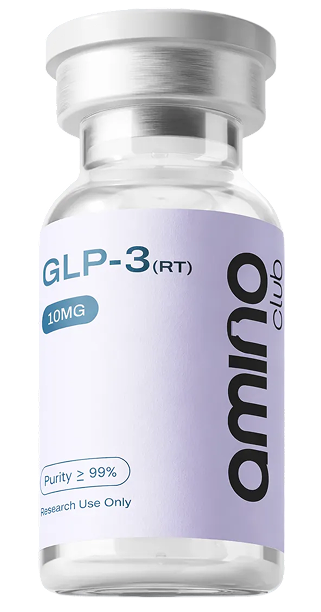
Triple-Action Weight Loss Compound
A 39-amino acid triple agonist peptide targeting GIP, GLP-1, and glucagon receptors, studied for metabolic regulation and body composition in clinical research. Premium Research Peptide.
From
$79.9928.7%
Weight Loss
Phase 3, 68 weeks
3
Receptor Targets
GIP + GLP-1 + Glucagon
1x
Weekly Injection
Subcutaneous
86%
Liver Fat Reduced
Phase 2, 48 weeks
5.8k
People Studied
Across all trials
Unlike Ozempic (which targets 1 receptor) or Mounjaro (which targets 2), Retatrutide activates three different hormone receptors at once. Each receptor triggers a different metabolic pathway β and together, they deliver more powerful effects than any single-target approach.
Glucose-dependent Insulinotropic Polypeptide
Helps release insulin
Improves fat metabolism
Enhances satiety
Glucagon-like Peptide-1
Reduces appetite
Slows digestion
Improves blood sugar
The "Secret Weapon"
Burns liver fat directly
Increases energy burn
Lowers cholesterol
The glucagon receptor is what sets retatrutide apart. In trials, researchers observed that activating this receptor:
Directly burns fat stored in the liver β which may explain why trial participants saw up to 86% reduction in liver fat.
Latest clinical trial data
Average Weight Lost at Highest Dose
Trial details: 445 adults β’ 68 weeks β’ Starting weight ~248 lbs β’ Results announced December 2025
At the highest dose (12mg), here's how many participants achieved meaningful weight loss:
For context: Losing 5% of body weight is considered 'clinically meaningful.' Nearly 4 in 10 participants lost 30% or more β results previously only seen with bariatric surgery.
Note: These numbers are from different clinical trials with different participant groups. No head-to-head studies have been conducted yet.
Researchers observed a clear dose-dependent response β higher doses produced more weight loss.
Other benefits observed in trials
93% reached normal liver fat levels
Nature Medicine82% of diabetic participants reached healthy levels
The LancetParticipants returned to normal blood sugar levels
NEJMSignificant reduction in blood fat levels
Meta-AnalysisLike all GLP-1 medications, participants lost some lean mass along with fat. The ratio was similar to other weight loss drugs.
Tip: Researchers recommend resistance training during treatment to help preserve muscle mass.
Multiple markers of heart health improved during trials.
improvement in pain scores at 12mg dose
Notable: 12% of participants became completely pain-free after 68 weeks vs only 4% on placebo.
From clinical trial protocols
In the TRIUMPH trials, researchers started participants at a low dose and gradually increased it over several weeks. This approach helped reduce side effects.
Standard escalation protocol used in Phase 2 and Phase 3 trials. Gradual increase helps the body adjust and minimizes side effects.
2mg
Once weekly
Starting dose β all participants started here
4mg
Once weekly
First increase β dose doubled after 4 weeks
6mg
Once weekly
Continued gradual escalation
9mg or 12mg
Once weekly
Target maintenance dose for remainder of trial
Weekly subcutaneous injection
In Phase 2, participants who started at higher doses (4mg) had significantly more nausea than those who started at 2mg
Gradual titration helps the body adjust
Once-weekly dosing maintains stable blood levels due to 6-day half-life.
No tolerance observed β participants continued losing weight throughout 48-68 week studies without needing dose increases.
What researchers reported
Like other GLP-1 medications, the most common side effects were gastrointestinal in nature. Most were mild to moderate and occurred mainly during the dose escalation period, then improved.
This side effect is unique to Retatrutide and is not commonly seen with other GLP-1 medications. It's likely related to the glucagon receptor activity.
Some participants stopped because of 'perceived excessive weight loss' β they lost more than they wanted.
Gallstones: <5% (similar to other GLP-1 medications)
Pancreatitis: <1% (careful monitoring recommended)
Injection site reactions: <3%
Technical specifications
Common questions about Retatrutide research
Retatrutide is a triple-action agonist that targets three receptors (GIP, GLP-1, and Glucagon), while Ozempic targets only GLP-1 and Mounjaro targets GLP-1 and GIP. The addition of the glucagon receptor may explain the enhanced weight loss (28.7% vs 17% for semaglutide, 22.5% for tirzepatide) and the remarkable 86% liver fat reduction observed in trials.
Retatrutide is currently in Phase 3 clinical trials (TRIUMPH program). Based on the trial timeline, Phase 3 results are expected in 2026, with potential FDA approval around 2027. This timeline is speculative and subject to change based on regulatory processes.
No tolerance was observed in trials. Participants continued losing weight throughout 48-68 week studies without needing dose increases. Weight loss curves showed continued progress, not plateaus from desensitization. Weight tends to slow after ~24 weeks but this reflects reaching a new equilibrium, not drug tolerance.
Like other GLP-1 medications, weight regain is expected if treatment is discontinued. The TRIUMPH program is testing a 4mg maintenance dose for long-term use. The longest data available is 68 weeks (Phase 3) and 48 weeks (Phase 2).
Gastrointestinal side effects were most common: nausea (43%), diarrhea (33%), constipation (25%), and vomiting (21%) at the 12mg dose. These typically decreased over time. Unique to Retatrutide is dysesthesia (unusual skin sensations) in about 21% at the highest dose β this is likely related to glucagon receptor activity and was generally mild.
Lyophilized (powder): -20Β°C for 24+ months. Reconstituted: 2-8Β°C for ~30 days. Avoid freeze/thaw cycles and protect from light. Keep refrigerated after reconstitution.
Peer-reviewed research
Not for human consumption. This product is sold exclusively for research and educational purposes. It is not intended to diagnose, treat, cure, or prevent any disease.
All clinical trial data and research findings presented on this page are sourced from peer-reviewed journals and official publications. They are provided for educational reference only and should not be interpreted as medical advice or product claims.
By purchasing this product, you confirm that you are a qualified researcher and will use it in accordance with all applicable laws and regulations.
Sanyal AJ, et al.